

The Equity Card Improves Livelihoods and Access to Healthcare for Elderly and Persons with Disabilities
The Equity Card Improves Livelihoods and Access to Healthcare for Elderly and Persons with Disabilities
Ms. In Ran, 72, is an Indigenous Kuy woman living in Sralao Toung Village, Por Commune, Tbeang Meanchey District, Preah Vihear Province. She lives with her husband, and both are elderly with disabilities. Her right eye is blind, while her husband’s left leg is disabled. The family's main source of income is her husband's pension, which is used for daily living expenses and healthcare costs.
As an elderly woman with a disability, Ms. In Ran's family face a significant financial burden, particularly in covering daily expenses. Before they have the Equity Card, whenever a family member became ill, the family struggled considerably to afford healthcare costs.
In March 2026, her family received an Equity Card (Poor Level 2) from the Royal Government of Cambodia. The Equity Card was obtained after applying through the commune office, with support and facilitation from youth volunteers who assisted in registering in the Public ID Poor App.
Ms. Ran said that whenever she visits a health center or the provincial referral hospital for medical services, her husband usually accompanies her. If he is unable to do so, she relies on her grandchildren for assistance because both the Promeru Health Center and the provincial referral hospital are far from her home, and transportation is expensive.
She emphasized that receiving free medical treatment and hospitalization through the Equity Card has significantly reduced healthcare expenses and eased the financial burden on her family.
She said that the Equity Card has improved her family's living conditions because they no longer need to spend money on medical treatment and medicines. Moreover, it plays a crucial role in ensuring access to healthcare services for families with elderly people and persons with disabilities, promoting equity and timely access to care.
After receiving the Equity Card, Ms. In Ran registered at the commune office for the National Social Assistance Program in Family Packages, enabling her family to receive additional benefits for older persons and persons with disabilities.
She also noted that when receiving healthcare services at Promeru Health Center and the 16 Makara Referral Hospital, she received friendly treatment and respect from healthcare staff, without discrimination against Equity Card holders, particularly older persons and persons with disabilities.
Quotation
“Receiving a monthly social assistance allowance of 146,000 Riel helps us buy food, make offerings at the pagoda, and cover other household expenses. I believe this support has greatly eased our family's financial burden.”
Finally, Ms. In Ran requested that the Royal Government consider increasing both the benefits and the amount of financial assistance provided to Equity Card holders in order to better meet the actual living costs of poor households, especially older persons, and persons with disabilities. She reaffirmed that receiving free medical treatment and hospitalization has played a vital role in reducing her family's financial burden.

Other Latest News
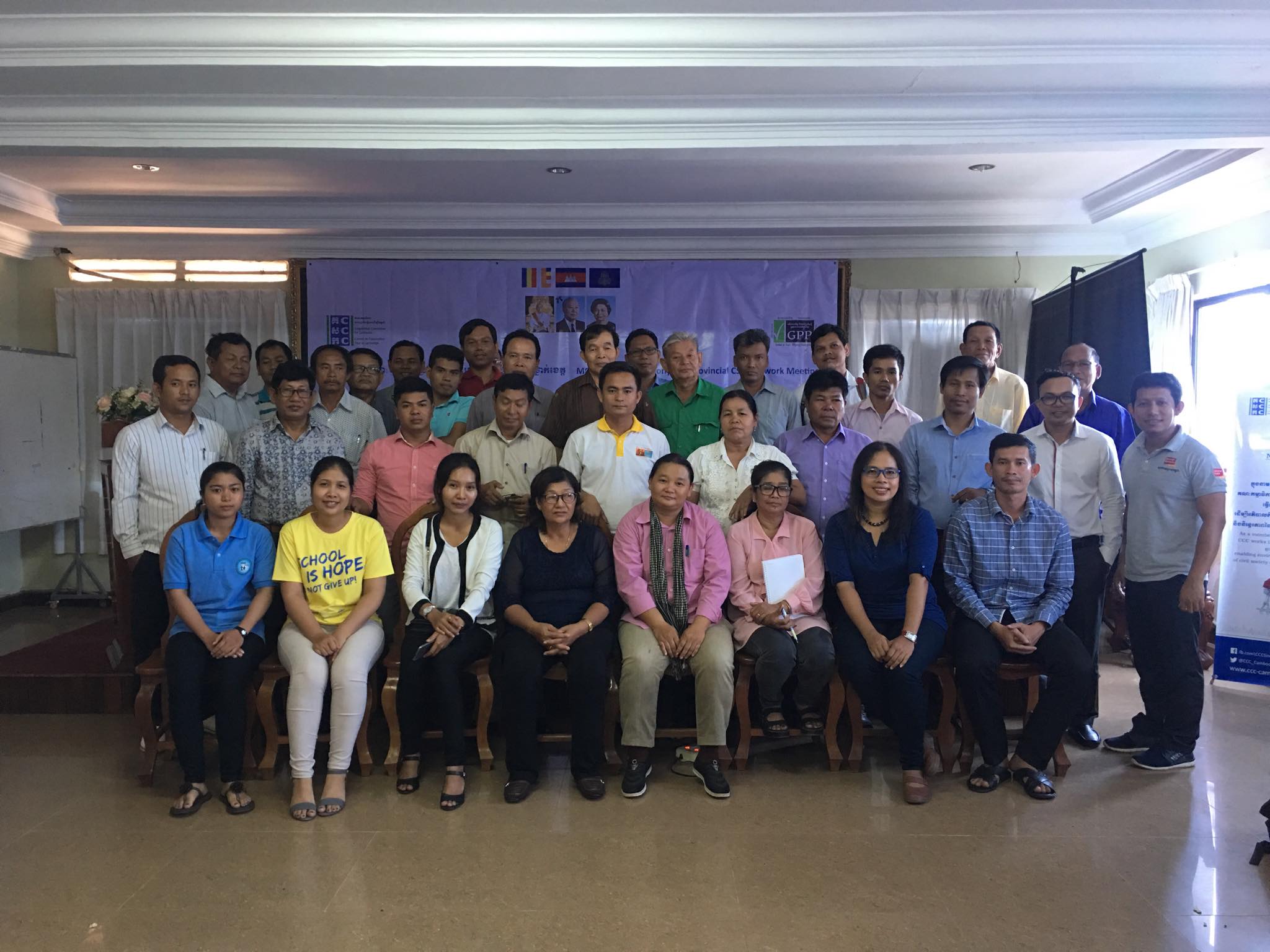
“Together for a Better Future”
“Together for a Better Future” is our common goal. As confirmed across the provincial civil society networks of K.Chnang, Pursat, Battambang, P. Veng, S.Rieng, Kampot, Stung Treng, and Ratanakiri, their priorities are seen in common which include network strengthening,...
Beyond 2015 on Sustainable Development Goals (2016 - 2030)
Beyond 2015 is a global civil society campaign on post-2015 agenda, bringing together over 1000 organizations from over 130 countries.
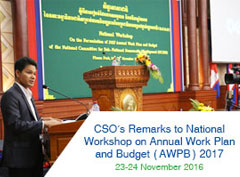
CSO’s Remarks to National Workshop on Annual Work Plan and Budget (AWPB) 2017 of NSDD
The decentralization reform is about promoting local democratic development and the people demand centered responses. It needs a multi-stakeholder approach and environment that enable all actors (state and non-state) including women and youth to play their necessary balance and complementary roles in this important reform process.
The fourth draft includes concerning threats to freedoms of association and the ability of civil society organizations to support Cambodians.
The fourth draft includes concerning threats to freedoms of association and the ability of civil society organizations to support Cambodians. .
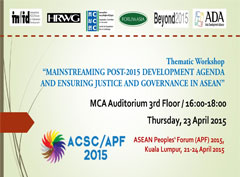
Two main thematic issues will be brought to ASEAN People's Forum
Cooperation Committee for Cambodia (CCC) will bring the concerns over two main thematic issues to ASEAN Peoples’ Forum (APF) 2015_ Kuala Lumpur 21-24 April 2015.
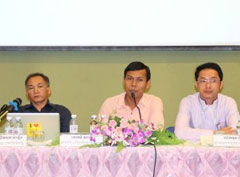
CSOs, experts discuss potential impacts of three newly-adopted laws on judiciary
Phnom Penh (June 03, 2014) – More than 100 senior representatives from NGOs and law experts meet at the member bi-monthly meeting to discuss the potential impacts of three newly-adopted laws on judiciary in Cambodia.
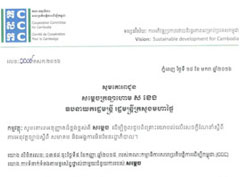
Cooperation Committee for Cambodia (CCC) placed 3rd Letter to Interior
កាលពីថ្ងៃទី ១៤ ខែ មករា ឆ្នាំ២០១៦ គណៈកម្មាធិការសហប្រតិបត្តិការដើម្បីកម្ពុជា (CCC) បានដាក់លិខិតផ្លូវការទី៣ជូនទៅក្រសួងមហាផ្ទៃ សូមចូលជួប សម្តេចក្រឡាហោម ស ខេង ឧបនាយករដ្ឋមន្ត្រី រដ្ឋមន្ត្រីក្រសួងមហាផ្ទៃដើម្បីចូលជួបពិគ្រោះយោបល់និងធ្វើបច្ចុប្បន្នភាពរបស់អង្គការសង្គមស៊ីវិលនិងបញ្ហាប្រឈមក្នុងឆ្នាំ២០១៥ . . .

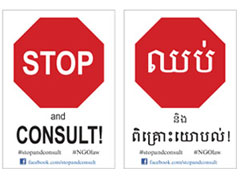
Civil Society urges the Royal Government of Cambodia to STOP and CONSULT on LANGO
Around 300 NGOs organized a last-ditch to bring back negotiation table with the government of over a draft debatable NGO Law, which the premiere hopes to have the National Assembly passed as early as this month.