

The Benefits of the Social Assistance Program in Cambodia
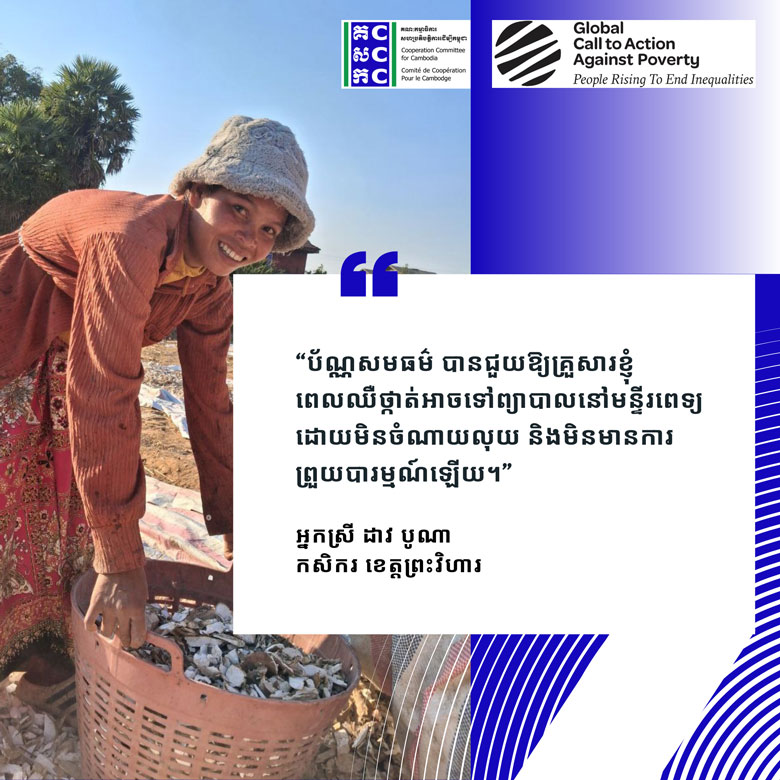
Ms. Dav Bona, age 26, lives in Pou Village, Pou Commune, Tbaeng Meanchey District, Preah Vihear Province. She has four members in her family, including two sons—one aged 5 and another aged 2. She is a farmer. During her free time from farming, she works as a daily laborer, harvesting rice and digging cassava in her community.
She explained that after the first round of the Cambodia–Thailand border conflict, she harvested her cassava crop, “but at that time the price of cassava dropped severely, which made our living conditions even harder and increased our debts.”
Before separating from her parents, she had been using her mother’s equity card during her pregnancy. She used the card to attend her scheduled prenatal checkups and received 80,000 riel each visit to the local health center. When she gave birth, she received an additional 400,000 riel. After giving birth, she received an additional 80,000 riel for each vaccination.
After she moved away from her parents to start a new family with her husband and children, she applied three times for her own equity card through the chief village and commune authorities before finally receiving it. She said that before receiving the social assistance package, her family struggled with daily expenses—buying food, medicine, and other basic needs.
After youth volunteers helped her register for the social assistance program for pregnant women and children under two years old. With this registration, she began receiving additional benefits through her equity card. She shared, “These benefits help my family a lot. When we are sick, we can go to the hospital without spending money, and we don’t have to worry anymore.”
She added that when receiving services at the health center or provincial hospital, the staff were friendly, respectful, and provided good service. They took good care of her and did not discriminate between rich and poor families.She mentioned that the financial aid that she received was used to buy delivery supplies and food for her family. She believes that the program has significantly improved her family’s living conditions.
She requested the Royal Government to continue supporting poor and vulnerable families by ensuring that cash assistance and budget distribution are accurate and equitable, so that they can receive genuine benefits.
Other Latest News
Youth NGOs Discuss Post-2015 Development Agenda and the Role of Youths
Phnom Penh (October 13, 2014) – Around 70 youth representatives from different countries in Asia meet and discuss today on the topic of “Look Forward: Post-2015 Development Agenda and Role of Youths” at KSSA/ICF Center, Phnom Penh.

Please join us by signing the online petition (Free the Net)
Phnom Penh (November 04, 2014) – As you may know, recent comments by Cambodian government officials indicate that a draft Cybercrime law may be just days away from being finalized. Though the government has so far refused to make the draft copy public,a version that was leaked earlier this year raises serious concerns about the ramifications the law will have for online free expression and other critical human rights.
TAXATION WORKSHOP
The Taxation Law of Cambodian is the duty of imposing charges on citizens and corporate entities that must be implemented. It's the huge risk factor for CSO if they don't apply to Taxation Law.
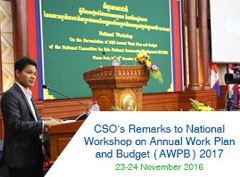
CSO’s Remarks to National Workshop on Annual Work Plan and Budget (AWPB) 2017 of NSDD
The decentralization reform is about promoting local democratic development and the people demand centered responses. It needs a multi-stakeholder approach and environment that enable all actors (state and non-state) including women and youth to play their necessary balance and complementary roles in this important reform process.
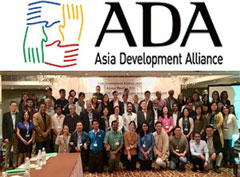
CSO Engagement in Localization of Susta -inable Development Goals in Asia
Bangkok 9-11 January 2016. by Mr.Soeung Saroeun, Executive Director of Cooperation Committee for Cambodia (CCC) .
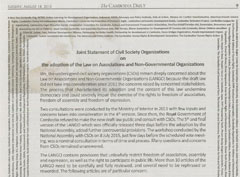
Joint Statement of Civil Society Organizations on the adoption of the Law on Associations and Non-Governmental Organizations
Phnom Penh - 18 August : We, the undersigned civil society organizations (CSOs) remain deeply concerned about the Law on Associations and Non-Governmental Organizations (LANGO) because the draft law did not take into...
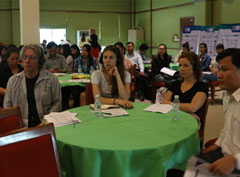
CCC Members Meeting on “CSO Accountability in the Context of Post LANGO and SDGs”
Around 100 participants from 80 CSOs representative joined 4th CCC’s Bi-monthly meeting. This platform was a great opportunity for members to meet various experts on Accountability of CSOs and SDGs from national and global levels as...