

Equity Card Helps Reduce the Burden on Poor Families and Improve Access to Healthcare Services
Equity Card Helps Reduce the Burden on Poor Families and Improve Access to Healthcare Services
Mr. Prum Hean lives in Pu Village, Pu Commune, Tbeang Meanchey District, Preah Vihear Province. His household consists of 11 family members, including seven children under the age of 18. The family’s primary sources of income are small-scale rice farming, collecting resin, gathering mushrooms during the rainy season, and working as daily laborers harvesting cassava and collecting cashew nuts within the community. Mr. Hean explained that he collects resin twice a month, obtaining approximately 5 to 6 containers of resin per trip, with the resin selling between KHR 70,000 and 80,000 per container.
Mr. Hean shared that during the Cambodia-Thailand border conflict, his family faced increased daily living expenses while income from agricultural production and wage labor declined. In particular, the price of resin dropped significantly to between KHR 35,000 and 50,000 per container.
Mr. Hean explained that his family had previously received a Vulnerability Card. Later, in February 2026, his family received an Equity Card (Poor Level 2) from the Royal Government of Cambodia. The family received the card after submitting applications twice: the first application was submitted directly to the commune office, and the second was facilitated through support from a youth volunteer.
In April 2026, Mr. Hean’s son was seriously injured in a traffic accident and required hospitalization at the 16 Makara Provincial Referral Hospital in Preah Vihear Province. Mr. Hean noted that the medical expenses were substantial and beyond the family’s financial capacity. However, Equity Card, a significant portion of the treatment costs, although not all expenses were fully reimbursed. In addition, the family received a daily food allowance of KHR 5,000 for the caregiver accompanying the patient. Beyond the monthly cash assistance, Mr. Hean also enrolled his school-aged child to receive support through the National Social Assistance Program in Family Packages.
Although the financial assistance is modest, the family uses the support to purchase food and other daily necessities. The Equity Card has helped them meet essential household needs and reduce concerns about healthcare costs during illness or emergencies.
Despite these benefits, the family continues to face considerable financial challenges, with daily expenditures ranging from KHR 20,000 to 30,000 and additional costs for treatment at private clinics. Nevertheless, Mr. Hean believes that the Equity Card has improved the family’s living conditions and eased their financial burden.
Mr. Hean confirmed that his family has used the Equity Card multiple times at health centers and provincial referral hospitals. He reported that healthcare staff provided services with respect, dignity, and without discrimination against Equity Card holders.
He further emphasized that the Equity Card has reduced healthcare expenses and made it easier for his family to access medical services. Whenever a family member becomes ill, whether with a minor or serious condition, they can seek medical consultation, treatment, and medicines at health facilities without worrying about the associated costs, which significantly alleviates their financial burden.
Mr. Hean stressed that the Equity Card plays a vital role in reducing financial hardship and improving access to healthcare services for vulnerable families. The support provided through the card not only lowers out-of-pocket healthcare expenses but also contributes to improving daily living conditions and increases confidence in seeking healthcare when needed.
However, he highlighted that increasing the amount of cash assistance and ensuring adequate supplies of medicines at health facilities remain important needs for poor families.

Other Latest News
CSO Engagement in Localization of Susta -inable Development Goals in Asia
Bangkok 9-11 January 2016. by Mr.Soeung Saroeun, Executive Director of Cooperation Committee for Cambodia (CCC) .
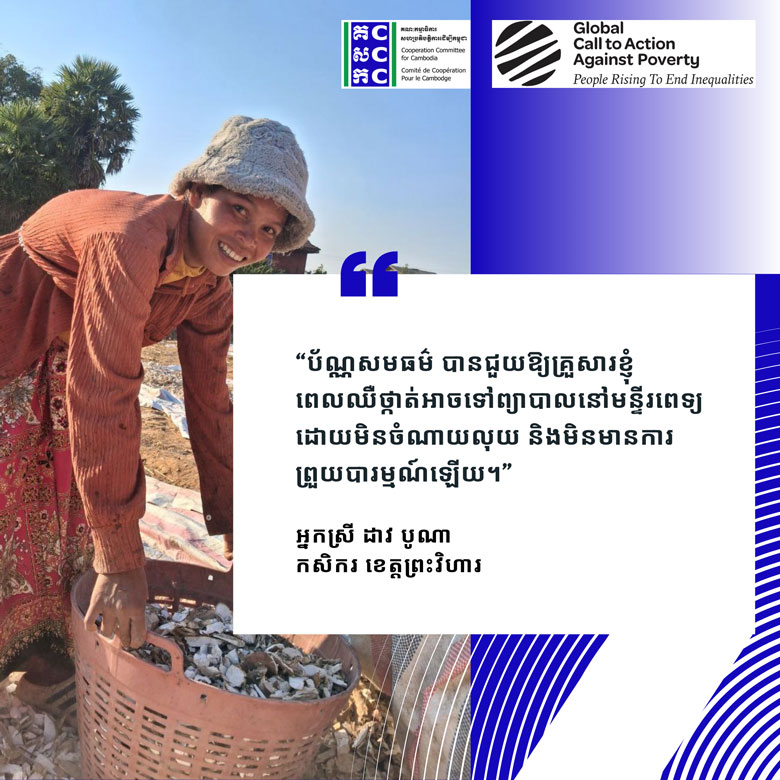
The Benefits of the Social Assistance Program in Cambodia

Cooperation Committee for Cambodia (CCC) placed 3rd Letter to Interior
កាលពីថ្ងៃទី ១៤ ខែ មករា ឆ្នាំ២០១៦ គណៈកម្មាធិការសហប្រតិបត្តិការដើម្បីកម្ពុជា (CCC) បានដាក់លិខិតផ្លូវការទី៣ជូនទៅក្រសួងមហាផ្ទៃ សូមចូលជួប សម្តេចក្រឡាហោម ស ខេង ឧបនាយករដ្ឋមន្ត្រី រដ្ឋមន្ត្រីក្រសួងមហាផ្ទៃដើម្បីចូលជួបពិគ្រោះយោបល់និងធ្វើបច្ចុប្បន្នភាពរបស់អង្គការសង្គមស៊ីវិលនិងបញ្ហាប្រឈមក្នុងឆ្នាំ២០១៥ . . .

Please join us by signing the online petition (Free the Net)
Phnom Penh (November 04, 2014) – As you may know, recent comments by Cambodian government officials indicate that a draft Cybercrime law may be just days away from being finalized. Though the government has so far refused to make the draft copy public,a version that was leaked earlier this year raises serious concerns about the ramifications the law will have for online free expression and other critical human rights.
CSOs, experts discuss potential impacts of three newly-adopted laws on judiciary
Phnom Penh (June 03, 2014) – More than 100 senior representatives from NGOs and law experts meet at the member bi-monthly meeting to discuss the potential impacts of three newly-adopted laws on judiciary in Cambodia.
CCC ANNUAL GENERAL MEETING (AGM) 2015
The AGM will be held with the theme: “” .The LANGO was promulgated by the King in August 2015 and until now it remains unclear on how it will be implemented as its implementation guideline has yet developed. SDGs were adapted by heads of states of UN, during the 70th UN General Assembly in New York. SDGs are a one holistic agenda, completing. . .
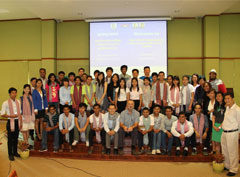
Youth NGOs Discuss Post-2015 Development Agenda and the Role of Youths
Phnom Penh (October 13, 2014) – Around 70 youth representatives from different countries in Asia meet and discuss today on the topic of “Look Forward: Post-2015 Development Agenda and Role of Youths” at KSSA/ICF Center, Phnom Penh.