
Workshop on "Common Advocacy Strategies to Improved Enabling Environment in Cambodia"
Speaker By:
Venue: ICF/KSSA, Phnom Penh
Date: 09 Jul-09 Jul 2014
Time:
The Royal Government of Cambodia (RGC) has recently been committed to fast track the adoption of many laws including the Law on Associations and NGOs, Cybercrime Law, Law on Status of Judges and Prosecutors, Law on Organization and Functioning of the Courts, Laws of the Supreme Council of Magistracy, Law on Management and Use of Agricultural Land, and Law on Trade Unions etc.
Around 178 participants from Non-Governmental Organizations, Associations, Community Based Organization, NGO Provincial Network representatives, informal groups, and people from grass root level participated in the workshop which was held at ICF/KSSA Center, Phonom Penh on 9 July 2014.
Objective of the workshop:
- To share analysis and concerns on the seven draft laws
- To discuss and consolidate the CSO’s joint statement on the current draft laws
- To discuss and collect inputs for joint communication and advocacy efforts on these laws
- To identify prioritized actions to execute the communication and advocacy plan

Other Event Archives
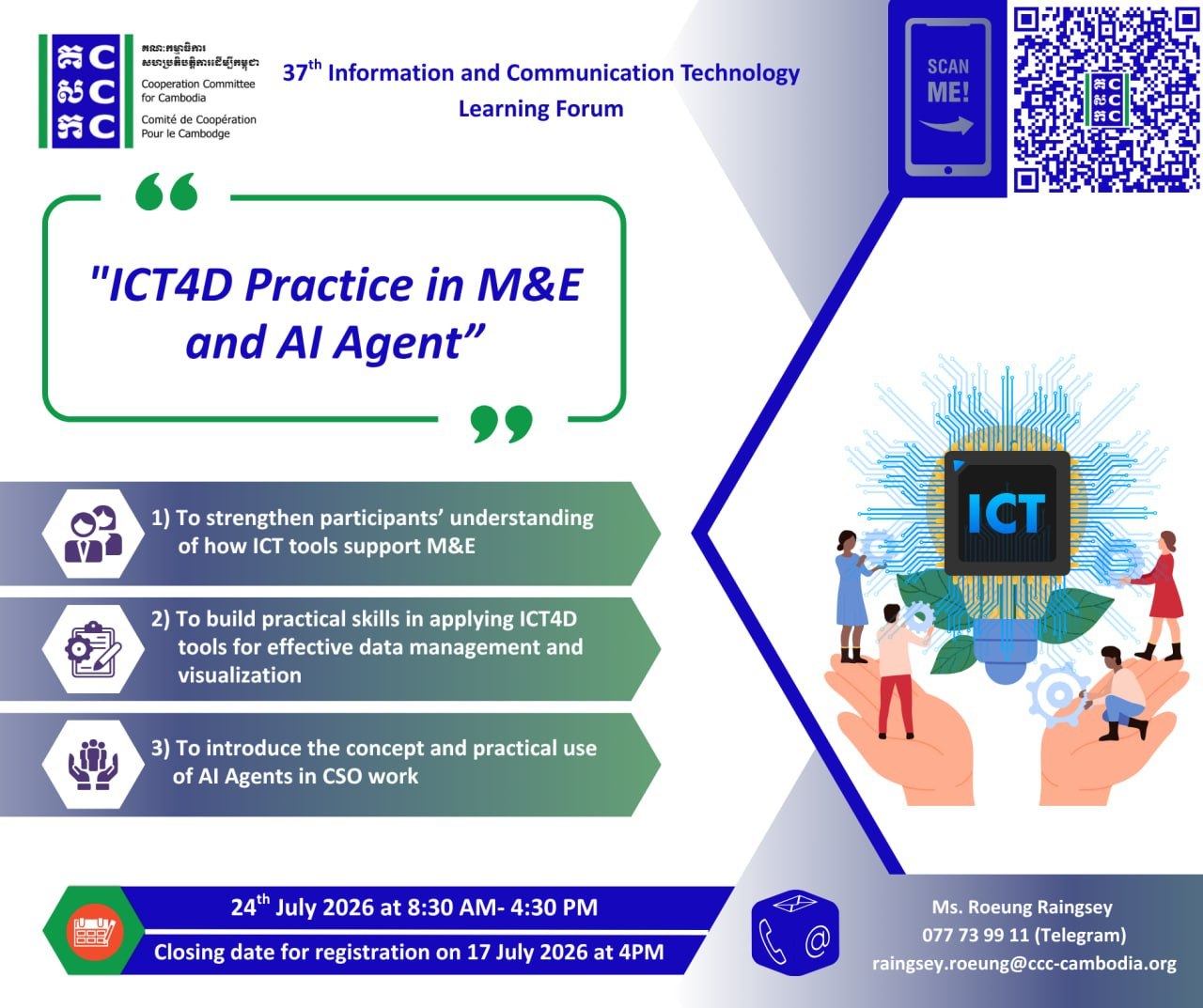


Issue Briefing Workshop on Enabling Environment for Development at Sub-national Level
To promote better enabling environment among development stakeholders at sub-national, The Cooperation Committee for Cambodia in Collaboration with NGOs Provincial Network in the northeast region of Cambodia:
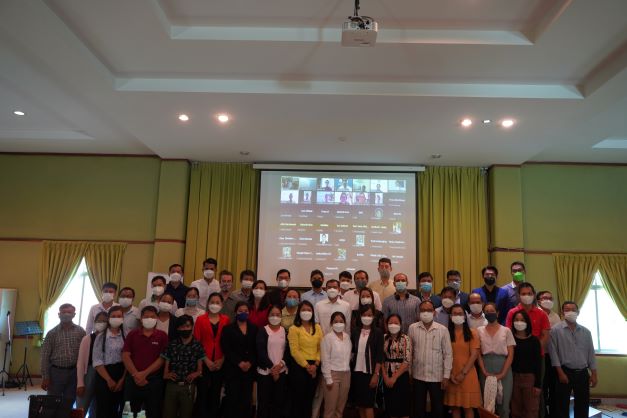
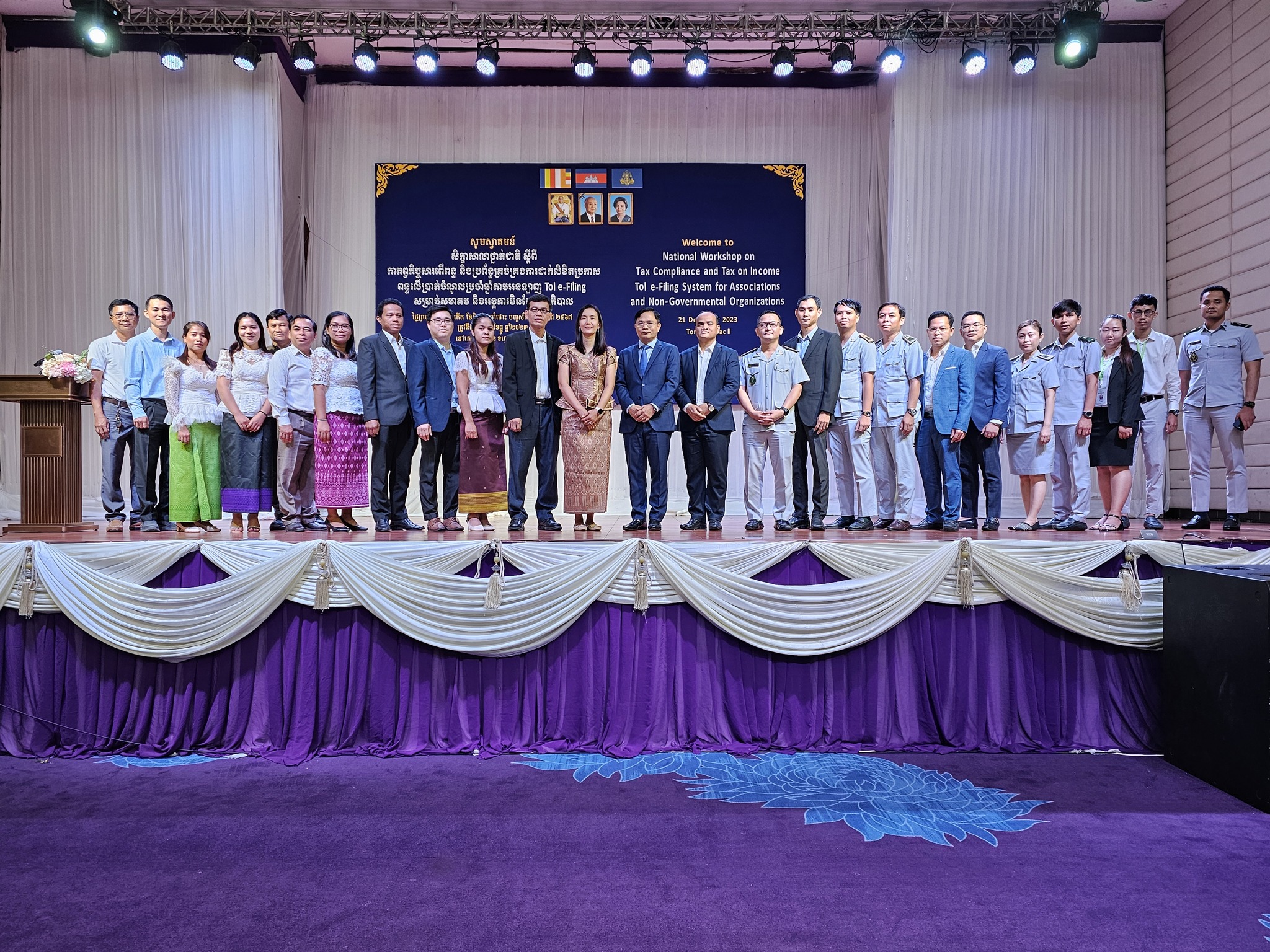
Taxation Obligation and TOI-E-Filing workshop

The Technical Consultation Workshop on Standard of the Financial Report Tier 2 for Civil Society Organization
Cooperation Committee for Cambodia (CCC) is very delighted to conduct an online workshop on the Technical Consultation on Standard of the Financial Tier 2 for non-profit organizations on 23 February 2021 through Google Meet.


Annual Staff Reflection
From 16-20 of July, the Cooperation Committee for Cambodia have organized the Annual Staff Reflection for the first semester in Siem Reap Province in order to celebrate the achievements and to reflect on how the interventions of CCC can be even more responsive to the need of beneficiaries, especially members and partners.